



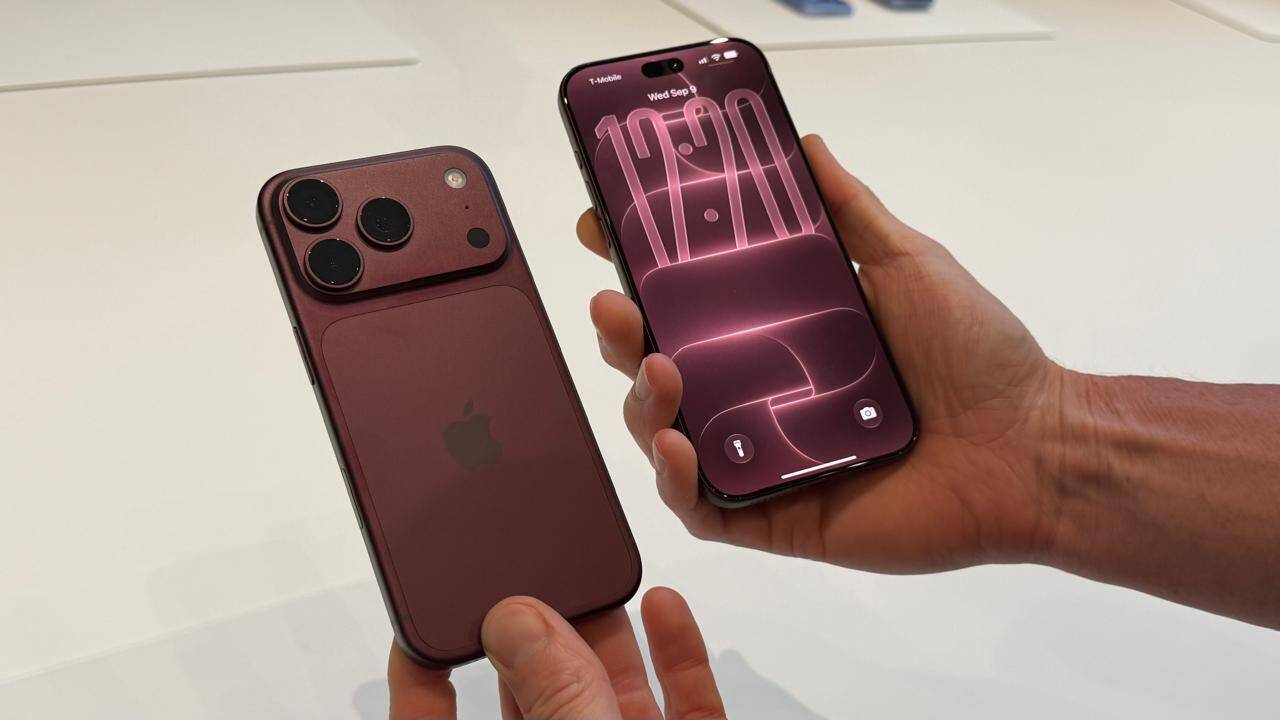
For years, Apple made the iPhone more accessible in India without making it cheap. Older models stayed on sale, bank offers softened the sticker price, exchange programmes rewarded upgrades and no-cost EMIs converted a large purchase into manageable monthly payments. That carefully constructed ladder is now becoming steeper.Apple’s latest pricing pushes the iPhone further beyond the reach of many Indian buyers. The iPhone 18 Pro starts at Rs 1,64,900, while the Pro Max begins at Rs 1,79,900. The new foldable iPhone Duo occupies another universe altogether: Rs 2,99,900 for the base variant, rising to Rs 4,49,900 with 2TB storage.But the affordability problem is not confined to Apple’s most experimental phone. The iPhone 17 now starts at Rs 99,900, the 17e at Rs 79,900 and the iPhone Air at Rs 1,49,900. Even buying last year’s phone no longer guarantees a substantially cheaper entry into Apple’s ecosystem.India has reportedly received some of Apple’s steepest price increases this year. Prices of certain models have risen by as much as 41%, as the company responds to higher memory and storage costs. The increases are especially striking because India is simultaneously becoming an important iPhone manufacturing and export base.
Affordability wall gets taller
The case that the iPhone is becoming unaffordable is straightforward. India remains a price-sensitive smartphone market where most devices are sold well below Rs 30,000. An iPhone costing Rs 1 lakh or more therefore competes not merely with other phones but with laptops, motorcycles, household appliances, holidays and, in the Duo’s case, even entry-level cars.The Pro models pose the more important test. The Duo will always be a niche showcase designed for wealthy early adopters. But the Pro and Pro Max have become central to Apple’s image and annual upgrade cycle. Once their prices move towards Rs 2 lakh after adding storage, protection plans and accessories, even affluent professionals may question whether the improvements justify the outlay.This is particularly relevant when phones are lasting longer. Premium processors remain capable for years, software support has improved and annual camera or display upgrades are often incremental. A customer using an iPhone 15 Pro or 16 Pro may see little urgency in spending another Rs 1.6–2 lakh.Higher prices could therefore change behaviour without immediately destroying demand. Consumers may retain phones longer, buy refurbished devices, seek overseas purchases or wait for online sales. Some may move from Pro models to the standard iPhone, while first-time buyers could choose older inventory through third-party retailers rather than Apple’s current lineup.There is also a risk that financing conceals rather than solves the affordability problem. An EMI can make a Rs 1.8-lakh phone appear manageable, but it does not reduce its cost. Stretching repayment periods for a rapidly depreciating device can turn aspiration into financial strain.
Why most buyers may still pay
Yet Apple has repeatedly shown that conventional affordability calculations do not fully explain premium-phone demand in India. An iPhone is not bought solely for its processor, camera or display. It carries social and aspirational value, signals professional success and provides entry into an ecosystem of watches, earbuds, computers and services. For many upwardly mobile buyers, owning an iPhone remains a visible marker of having arrived.That appeal has helped Apple grow even when considerably cheaper Android phones offer comparable specifications. The iPhone 16 became India’s bestselling smartphone during the final quarter of 2025, demonstrating that Apple can generate mass demand when it combines an aspirational product with festive discounts, bank offers and exchange incentives.India’s premium smartphone market has also expanded even as the broader market has struggled. Consumers who previously bought phones costing Rs 30,000–40,000 have moved upwards, helped by financing and rising expectations around cameras, gaming, durability and brand value. For these buyers, a phone is used frequently enough to justify spending more than on many other personal possessions.Apple benefits from unusually strong resale values as well. An iPhone may cost more upfront, but it generally retains more value than many competing devices. Exchange bonuses reduce the effective upgrade price for existing users, while long software support allows buyers to spread the cost over four or five years.The Duo could reinforce rather than weaken this aspirational pull. Its price makes it inaccessible to most consumers, but exclusivity is part of its proposition. Like an expensive watch or luxury handbag, it may attract buyers precisely because it is uncommon and instantly recognisable. Apple does not need it to become a mass-market product for it to strengthen the brand.The more likely outcome, therefore, is not that Indians stop buying iPhones. It is that the market becomes more sharply divided. Wealthier customers and committed Apple users will continue buying Pro and Duo models, often assisted by trade-ins and instalments. More aspirational buyers will wait for discounts, purchase older generations or enter through refurbished devices.The iPhone is moving out of reach at its official prices. But that does not necessarily put it out of desire. In India’s premium market, the distance between what consumers can comfortably afford and what they are willing to pay has always been where Apple does its best business.