

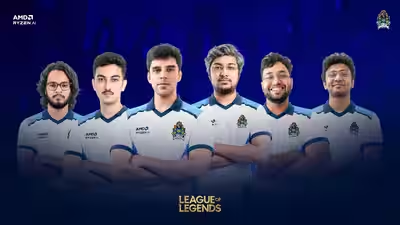

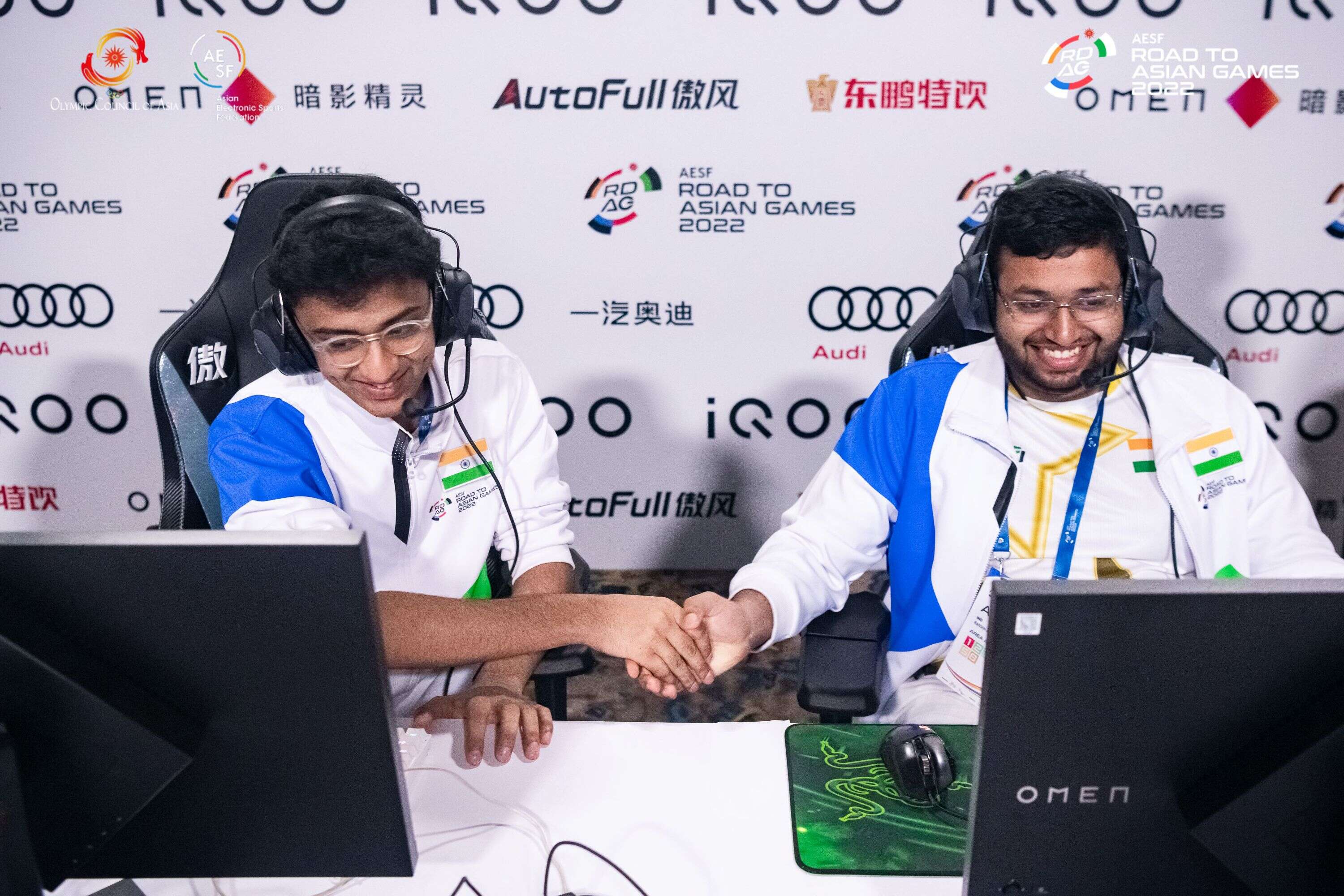
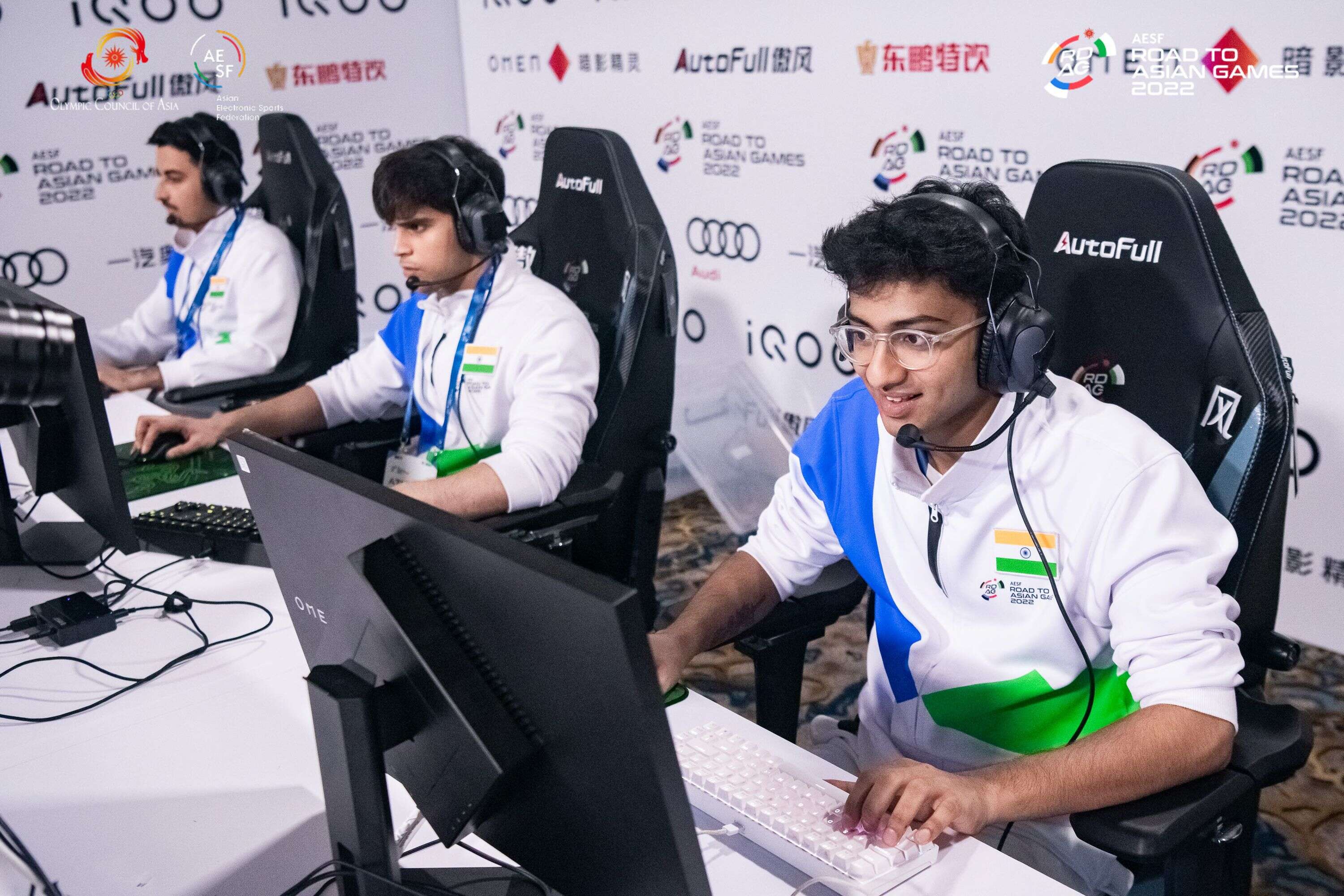
At 24, Akshaj Shenoy is heading back to the Asian Games as captain of India’s League of Legends team. But becoming a professional player was never part of the original plan.He started playing for fun. Then came the tournaments, better opponents and more time spent understanding the competitive side of the game. There was no single moment when he decided esports would become a profession.“It happened gradually as I got better opportunities and started seeing how far I could take it,” Shenoy told Timesofindia.com.By the time India reached the Asian Games in Hangzhou, Shenoy was studying Economics, Sociology and Industrial Relations while playing professionally and coordinating practice with teammates based in different cities.Three years on, he is returning as the captain and four of the six players who will represent India in League of Legends at Aichi-Nagoya were part of the Hangzhou campaign, where India finished fifth. Ahmed Shahid and Rahul Bisht are the two newcomers.“We look back at Hangzhou with a lot of pride, but also knowing that we could have gone further,” Shenoy said. “Once you’ve experienced that stage and seen that you can compete with some of the best teams in Asia, you naturally feel that there’s more you can achieve.”
A game that demands five players to think as one
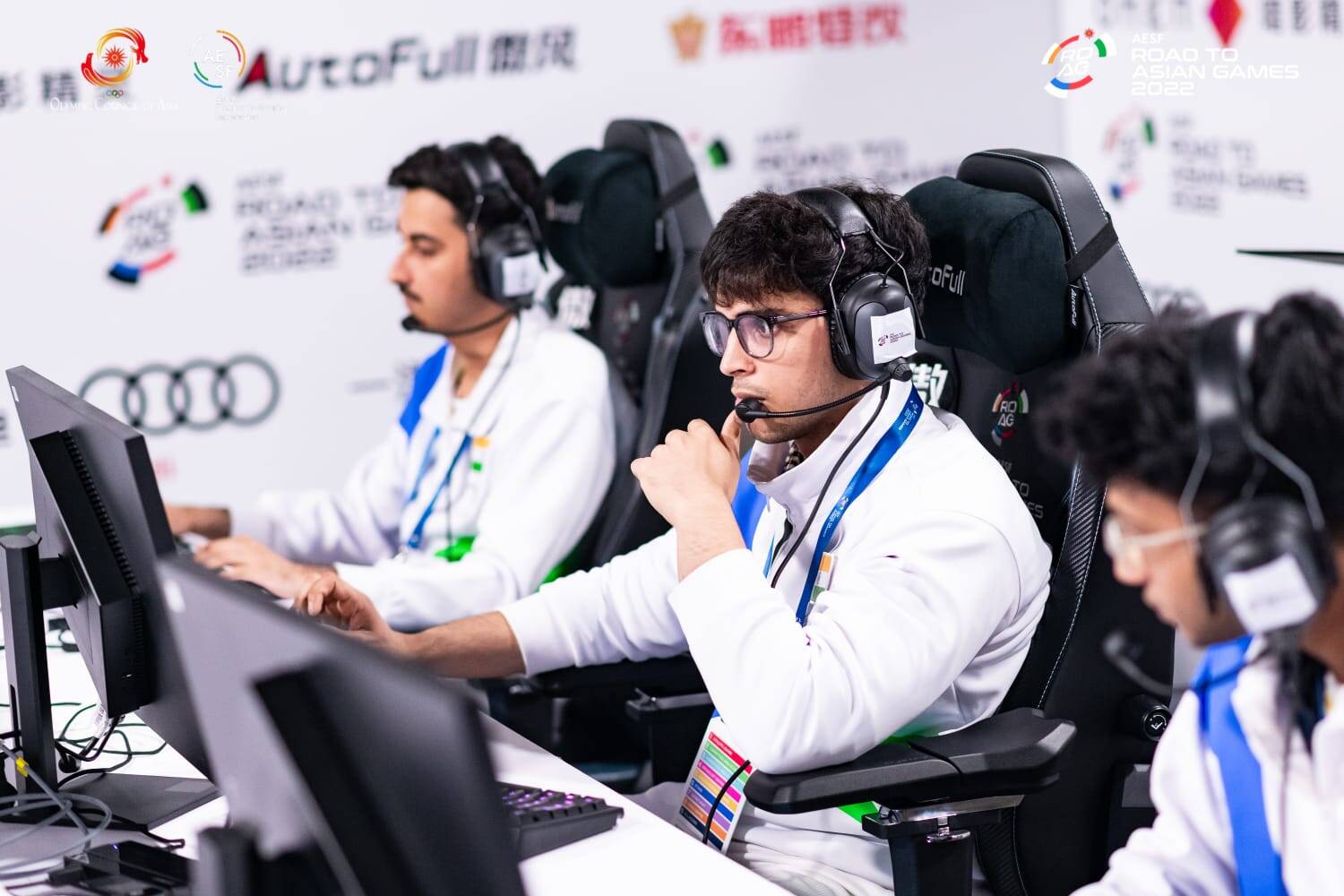
League of Legends is a 5v5 team-based strategy game in which players control unique characters, known as champions, and work together to destroy the opposing team’s Nexus, the central structure in their base. Each team has five roles, namely Top, Jungle, Mid, ADC and Support, with each serving a different function. Players have different roles and responsibilities, but at the professional level, communication and decision-making are as important as individual skill.“You’re constantly thinking about where the opponents could be, what they might do next and how you should respond,” Shenoy said. “At the same time, you’re managing your own resources, positioning, timing and trying to make decisions based on what your teammates are doing.”The game was launched in 2009 and has grown into one of the world’s major esports titles, with professional competitions across regions and an annual World Championship.For India, however, the challenge is less about finding people who play the game and more about creating enough high-level competition for players to develop against. Shenoy has seen that difference first-hand.
The group that stayed together
After Hangzhou, some of the Indian players continued competing together in domestic and South Asian League of Legends tournaments. They played more tournaments, won titles and spent more time as a unit. That continuity also gave them a better understanding of how each player communicates and reacts in different situations.S8UL signed the group in 2025, giving the players a more structured environment around training and competition.For S8UL co-founder and CEO Animesh Agarwal, that continuity is one of the roster’s biggest strengths. He said the players had spent years “playing together, adapting to different competitive environments and developing a strong understanding of each other’s game”.The roster won Legends Ascend South Asia in 2025 and later competed in the LCP Promotion Wild Card Playoffs, finishing fifth.“Playing against stronger regional teams gave us valuable experience and showed us where we still needed to improve,” Shenoy said.
Six players, six different routes
Shenoy is the most obvious link between the two Asian Games campaigns.The Kochi-based 24-year-old was part of India’s Hangzhou team and his esports career has run alongside education and work. Before Hangzhou, he was studying three subjects while playing professionally and coordinating practice sessions for teammates based in different cities. His parents, he said, were supportive of his choices.Today, he is preparing for an MBA and helps with his father’s business.Back home, much of his day goes into studying and working on the business. Around 8 pm, he gets online with his teammates, with practice often continuing until 1 am because everyone has different studies and jobs to work around.“I’ve always enjoyed gaming and, more importantly, the competitive side of esports, so it remains a big part of my life,” he said.Mihir Ranjan is an IIM Ahmedabad graduate based in Delhi. Aakash Shandilya is from Noida and works as a cloud engineering intern. Sanindhya Malik is based in Mauritius and works with Telecommunications Consultants India Ltd.Ahmed Shahid, a Chemical Engineering graduate from Aligarh, and 29-year-old Rahul Bisht, a product designer and entrepreneur from Bengaluru, are making their Asian Games debuts.The six players arrive at Aichi-Nagoya with very different lives outside the game. For most of them, esports has had to fit around education, jobs and other responsibilities rather than replace them.
What Hangzhou left behind
The first Asian Games appearance gave Shenoy a different understanding of what it meant to play for India. “What I remember most is walking out there and realising that we were representing India on such a huge stage,” Shenoy said. “There was a lot of pride, but also a sense of responsibility that came with wearing the India jersey.”The experience also showed the players what was required to compete against Asia’s strongest teams. “We’ve had a few years since then to grow together, compete at a higher level and understand what it takes to perform on a stage like this,” he said.The four returning players know what the stage feels like. Ahmed has been around the group for a long time despite making his Asian Games debut, while Rahul has adapted quickly during the preparations, according to Shenoy.“At the end of the day, we trust each other, and my job is to make sure everyone feels comfortable enough to play their own game when the pressure is at its highest.”
The gap India is still trying to close
Shenoy has also seen India’s esports environment become more organised since Hangzhou, with more tournaments, organisations and opportunities for players. But he believes the gap with the leading League of Legends regions remains clear.“The biggest difference is probably the amount of regular high-level competition and the depth of the player pool,” Shenoy said.In Korea, China and Vietnam, players are surrounded by strong competition and have more opportunities to test themselves against high-level opposition.Indian players have had to be more proactive in finding those opportunities. “In India, we’ve had to be more proactive about finding those opportunities and learning from every international event we get to play,” Shenoy said.Playing together consistently has helped the group develop its communication and understanding, while S8UL has provided a more professional environment around the team.Joining the organisation, Shenoy said, gave the players more support with training and preparation and the confidence to look beyond India. “It also gave us more confidence to look beyond the Indian ecosystem and take international competition seriously,” he said.But he sees a longer-term requirement for the game in India.“There are more organisations, tournaments and opportunities for players to build a career,” Shenoy said. “At the same time, League of Legends still needs a deeper player pool and more regular high-level competition in India.”For the next generation, he wants clearer pathways into competitive play. “The interest and talent are definitely there. The next step is building an ecosystem that can sustain that talent over the long term.”
South Korea, Chinese Taipei and Hong Kong await
India has been drawn alongside South Korea (2022 Asian Games Gold Medallist), Chinese Taipei (2022 Asian Games Silver Medallist) and Hong Kong in Group B at Aichi-Nagoya. For Shenoy, the group offers a direct measure of how much Indian League of Legends has developed.The established Asian regions have deeper player pools and more regular high-level competition. Playing against them means testing how quickly the Indian players can make decisions, adapt and respond under pressure, but India is not travelling simply to observe.“We don’t want to go in thinking we’re simply there to learn,” Shenoy said. “We’ve prepared seriously and we want to compete.”“What they see on stage is the result of years of work behind the scenes,” he said. “There are countless hours of practice, travelling, studying the game and balancing esports with education, jobs and life outside gaming.”“For us, wearing the India jersey is something we’ve worked towards for a long time. It’s a huge responsibility, but it’s also a privilege.”